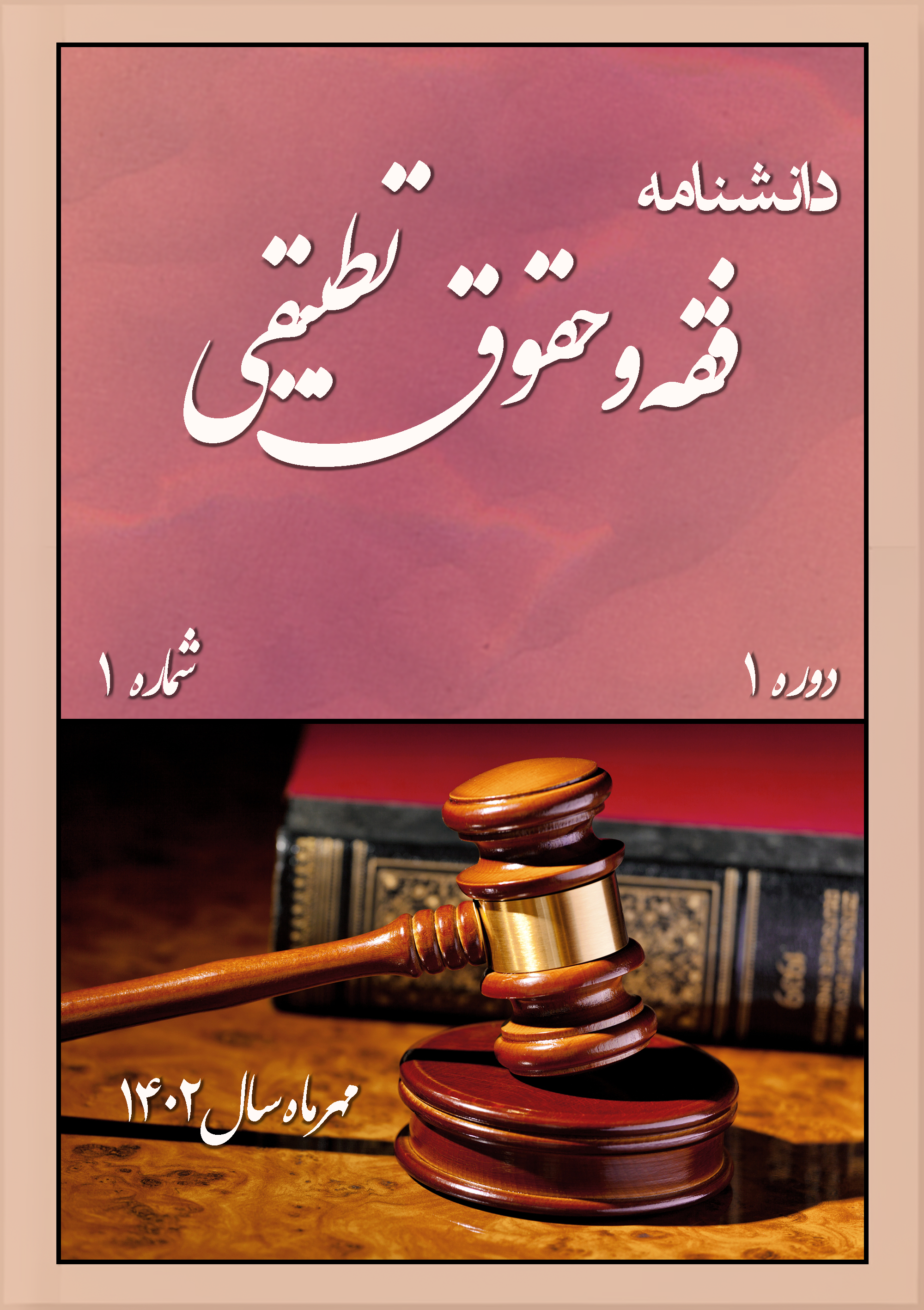
نقش شرط تعدیل قرارداد در مواجهه با نوسانات شدید اقتصادی
کلمات کلیدی:
شرط تعدیل, تغییر اوضاع و احوال, هاردشیپ, عدالت قراردادی, نوسانات اقتصادی, اصل لزوم قراردادها, حاکمیت ارادهچکیده
این مقاله به بررسی جایگاه شرط تعدیل در حقوق ایران با تمرکز بر مواجهه قراردادها با نوسانات شدید اقتصادی میپردازد و میکوشد نسبت این نهاد را با اصول سنتی حقوق قراردادها، مبانی فقهی و تحولات حقوق تطبیقی روشن سازد. مسئله اصلی پژوهش آن است که آیا در حقوق ایران میتوان شرط تعدیل را بهعنوان ابزاری مشروع و کارآمد برای بازتنظیم قرارداد در شرایط دگرگونی اقتصادی پذیرفت یا خیر. در این راستا، ابتدا مبانی فقهی و قانونی مرتبط، از جمله قواعد لاضرر و لاحرج و مواد ۱۰، ۲۱۹، ۲۲۰، ۲۲۱، ۲۲۷، ۲۲۹ و ۲۷۷ قانون مدنی تحلیل شد و نشان داده شد که هرچند حقوق ایران فاقد نهادی صریح و عام مشابه شرط دشواری غیرمتعارف اجرا«Hardship» در حقوق خارجی است، اما از ظرفیتهای کافی برای پذیرش شرط تعدیل قراردادی برخوردار است. همچنین تمایز شرط تعدیل از نهادهایی چون غبن حادث، فورسماژور و تعذر اجرا مورد تبیین قرار گرفت تا جایگاه مستقل این سازوکار در منظومه حقوق قراردادها روشن شود. در ادامه، با بهرهگیری از روش تحلیلی-تطبیقی، جایگاه شرط تعدیل در اصول یونیدروا، حقوق فرانسه، آلمان و انگلیس بررسی شد و آثار عملی آن در قراردادهای پیمانکاری، اجاره بلندمدت، تأمین کالا و سرمایهگذاری مورد تحلیل قرار گرفت. یافتهها نشان میدهد که شرط تعدیل در بستر اقتصاد بیثبات، وسیلهای مؤثر برای حفظ عدالت قراردادی، توزیع منصفانه ریسک، کاهش اختلافات و استمرار روابط حقوقی است. در عین حال، این نهاد با چالشهایی چون امکان سوءاستفاده، ابهام در معیار نوسان شدید، دشواری تعیین مرجع تشخیص و تعارض احتمالی با اصل قطعیت قراردادها روبهروست. نتیجه نهایی آن است که در حقوق ایران، شرط تعدیل در صورت پیشبینی دقیق و شفاف قراردادی، معتبر و قابل دفاع است؛ اما برای افزایش امنیت حقوقی و انسجام رویه، اصلاح تقنینی، شناسایی محدود نظریه تغییر اوضاع و احوال و توسعه تفسیر قضایی متعادل ضرورتی انکارناپذیر دارد.
دانلودها
مراجع
Akhund Khorasani, M. K. (1986). Commentary on Al-Makasib. Ministry of Culture and Islamic Guidance.
Akhund Khorasani, M. K. (1987). Kifayat al-Usul (Vol. 2). Al al-Bayt Institute for the Revival of Heritage.
Amid, H. (1984). Persian Dictionary. Amir Kabir Publications.
Ansari, M. (1999). Al-Makasib (Vol. 1). Majma al-Fikr al-Islami.
Beigdeli, S. (2009). Contract Adaptation (3rd ed.). Mizan Legal Foundation.
Berger, K. P. (2003). Renegotiation and Adaptation Clauses in Long-Term Contracts. Journal of International Arbitration, 20(2), 127-155.
Berger, K. P. (2010). The Creeping Codification of the New Law Merchant (2nd ed.). Kluwer Law International.
Bojnourdi, H. (1987). Jurisprudential Maxims (Vol. 1). Dar al-Kutub al-Islamiyyah.
Born, G. B. (2021). International Commercial Arbitration (3rd ed.). Kluwer Law International.
Bridge, M. (2019). The Sale of Goods (4th ed.). Oxford University Press.
Brunner, C. (2009). Force Majeure and Hardship under General Contract Principles: Exemption for Non-Performance in International Arbitration. Kluwer Law International.
Cartwright, J. (2025). Contract Law: An Introduction to the English Law of Contract for the Civil Lawyer (4th ed.). Hart Publishing.
Collins, H. (2016). Contract Law (2nd ed.). Oxford University Press.
Cooter, T., & Ulen, R. (2010). Law and Economics. Dad Afarin Publishing.
Dehkhoda, A. A. (1994). Dehkhoda Dictionary (Vol. 4). University of Tehran.
Eisenberg, M. A. (1995). The Principles of Consideration. Cornell Law Review, 80(4), 830-910.
Esmaili, H. (2016). Commercial Contract Law and Economic Developments. Mizan Publishing.
Fidic. (2017). Conditions of Contract for Construction for Building and Engineering Works Designed by the Employer: Red Book.
Fontaine, M., & De Ly, F. (2009). Drafting International Contracts: An Analysis of Contract Clauses. Brill Nijhoff.
Gaillard, E., & Savage, J. (1999). Fouchard Gaillard Goldman on International Commercial Arbitration. Kluwer Law International.
Ghestin, J. (1991). Civil Law Treatise: Obligations. LGDJ.
Goode, R., & McKendrick, E. (2021). Goode and McKendrick on Commercial Law (6th ed.). Penguin Books.
Horn, N. (1985). Adaptation and Renegotiation of Contracts in International Trade and Finance. Kluwer Law and Taxation Publishers.
Hornby, A. S. (2010). Oxford Advanced Learner's Dictionary (8th ed.). Oxford University Press.
International Chamber of, C. (2020). ICC Force Majeure Clause 2020 and ICC Hardship Clause 2020. Paris: International Chamber of Commerce
Islamic Republic of, I. (2013). Islamic Penal Code.
Katouzian, N. (1992). Introduction to the Science of Law. Sherkat-e Sahami Enteshar.
Katouzian, N. (2004). Civil Law: Specific Contracts (Vol. 1-2). Ganj Danesh.
Khomeini, R. (2006). Al-Rasa'il (Vol. 1). Institute for Compilation and Publication of Imam Khomeini's Works.
Macneil, I. R. (1980). The New Social Contract: An Inquiry into Modern Contractual Relations. Yale University Press.
Mahkollahi, A., & Yemghadar, R. (2015). Contract Adaptation in Imami Jurisprudence. Islamic Law Quarterly, 11(41), 145-162.
Maraghei, F. (1918). General Maxims in Principles of Jurisprudence. Nini Publications.
Marsh, P. D. V. (2023). Comparative Contract Law: England, France, Germany (3rd ed.). Hart Publishing.
McKendrick, E. (2023). Contract Law: Text, Cases, and Materials (10th ed.). Oxford University Press.
Moein, M. (2000). Persian Dictionary (Vol. 1-2). Amir Kabir.
Naraqi, M. A. (1987). Awa'id al-Ayyam. Basirat.
Park, W. W. (2012). Arbitration of International Business Disputes: Studies in Law and Practice (2nd ed.). Oxford University Press.
Posner, R. A. (2014). Economic Analysis of Law (9th ed.). Wolters Kluwer.
Posner, R. A., & Rosenfield, A. M. (1977). Impossibility and Related Doctrines in Contract Law: An Economic Analysis. The Journal of Legal Studies, 6(1), 83-118.
Rowan, S. (2017). Remedies for Breach of Contract: A Comparative Analysis of the Protection of Performance. Oxford University Press.
Sadeghi, M. (2013). The Effect of Exchange-Rate Fluctuations on Contractual Obligations. Majd Publications.
Safaei, S. H. (2010). Introductory Course in Civil Law: General Rules of Contracts (Vol. 2). Mizan Publishing.
Sam, M., Aghamashhadi, F. a.-D., & Mostafavi, Z. (2014). The History of Gross Disparity. Quarterly Journal of Islamic Jurisprudence and Law Research, 10(37), 11-36.
Schwartz, A., & Scott, R. E. (2003). Contract Theory and the Limits of Contract Law. The Yale Law Journal, 113(3), 541-619.
Schwenzer, I., Hachem, P., & Kee, C. (2019). Global Sales and Contract Law (2nd ed.). Oxford University Press.
Shafaee, M. R. (1997). A Comparative Study of the Theory of Change of Circumstances. Qoqnoos.
Shahidi, M. (1997). Effects of Contracts and Obligations. Majd.
Shahidi, M. (2018). Formation of Contracts and Obligations. Majd Publications.
Tabatabaei, M. H. (1984). Al-Mizan Exegesis (Vol. 2). Islamic Publications Office.
Taheri, H. (2013). Civil Law (Vol. 3). Islamic Publications Office.
Unidroit. (2016). UNIDROIT Principles of International Commercial Contracts 2016. Rome: International Institute for the Unification of Private Law
Vogenauer, S., & Kleinheisterkamp, J. (2009). Commentary on the UNIDROIT Principles of International Commercial Contracts. Oxford University Press.
Weill, A., & Terré, F. (1975). Civil Law: General Introduction (4th ed.). Dalloz.
Zarringhalam, M. (2021). Law of Government Contracts and General Conditions of Contract. Mizan Publishing.

دانلود
چاپ شده
ارسال
بازنگری
پذیرش
شماره
نوع مقاله
مجوز
حق نشر 1402 Davoud Ebadi

این پروژه تحت مجوز بین المللی Creative Commons Attribution-NonCommercial 4.0 می باشد.